
**Cardiorehabilitation** is a specialized program designed to help individuals recover and improve their heart health after experiencing a cardiac event, such as a heart attack, heart surgery, or diagnosis of heart disease. The primary goal is to restore cardiovascular function, reduce the risk of future heart problems, and enhance the patient’s overall quality of life.
Cardiorehabilitation typically involves a multidisciplinary team of healthcare professionals, including cardiologists, physical therapists, dietitians, and mental health counselors. Together, they create a personalized rehabilitation plan tailored to the patient’s specific needs and health goals. This plan often includes exercise training, nutritional counseling, lifestyle modifications, and psychological support.
Exercise training is a key component of cardiorehabilitation, focusing on improving cardiovascular endurance, strength, and flexibility. Under the supervision of healthcare professionals, patients engage in activities designed to gradually increase physical fitness and strengthen the heart. These exercises are tailored to the individual’s health status and are performed in a safe, controlled environment.
Nutritional counseling plays a vital role in helping patients adopt a heart-healthy diet. Dietitians work with patients to develop eating plans that reduce cholesterol, manage weight, and control blood pressure. Patients learn how to make healthier food choices and implement these changes into their daily routines.
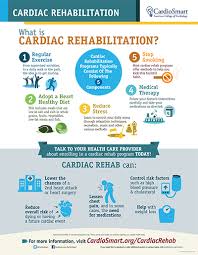
Lifestyle modification is another crucial aspect of cardiorehabilitation. Patients receive education and support to quit smoking, manage stress, and avoid habits that can negatively impact heart health. Mental health support is also provided to address any emotional challenges, such as anxiety or depression, that often accompany heart disease.
The duration of a cardiorehabilitation program varies depending on the patient’s condition and progress, but it typically lasts for several weeks to months. Throughout the program, patients are encouraged to take an active role in their recovery, setting goals and working towards them with the guidance of their rehabilitation team.
Cardiorehabilitation is essential for helping patients rebuild their heart health, prevent future cardiac events, and improve their overall well-being. By addressing physical, dietary, and lifestyle factors, it empowers individuals to lead healthier, more active lives after a cardiac event.