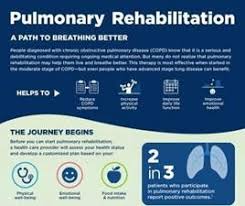
**Pulmonary rehabilitation** is a specialized program designed for individuals with chronic respiratory conditions like COPD, asthma, or pulmonary fibrosis. The main goal is to improve lung function, enhance quality of life, and help patients manage their symptoms more effectively.
This program is typically managed by a multidisciplinary team, including pulmonologists, respiratory therapists, physical therapists, and dietitians. Together, they create a personalized plan that usually includes exercise training, breathing techniques, nutritional counseling, and education on managing lung disease.
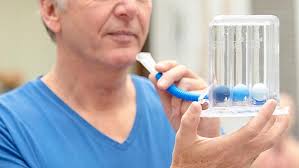
Exercise training focuses on improving cardiovascular fitness and muscle strength, helping patients perform daily activities with less breathlessness. Breathing techniques, such as pursed-lip and diaphragmatic breathing, are taught to reduce shortness of breath. Nutritional counseling supports a balanced diet that promotes lung health, and education provides patients with the knowledge to manage their condition, including medication use and avoiding respiratory infections.
Pulmonary rehabilitation typically lasts several weeks to months, with patients encouraged to actively participate in their recovery. The program is essential for improving quality of life, enabling individuals to live more comfortably and independently despite their respiratory challenges.