
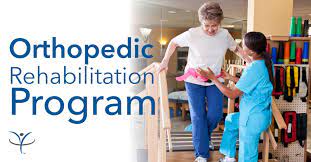
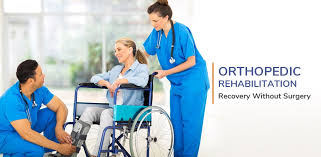
**Orthorehabilitation** is a specialized branch of rehabilitation medicine that focuses on the recovery and functional improvement of individuals who have undergone orthopedic surgery or sustained musculoskeletal injuries. The primary goal of orthorehabilitation is to restore mobility, strength, and flexibility, enabling patients to return to their daily activities, work, or sports as safely and effectively as possible.
The process typically begins with a comprehensive assessment by a team of healthcare professionals, including orthopedic surgeons, physiotherapists, and occupational therapists. This team works together to create a personalized rehabilitation plan tailored to the specific needs of the patient. The plan may include a combination of physical therapy, exercise programs, pain management strategies, and education on injury prevention. The approach is often multidisciplinary, integrating various therapies to address not only the physical aspects of recovery but also the emotional and psychological challenges that can arise during rehabilitation.
Physical therapy is a core component of orthorehabilitation, focusing on exercises and techniques designed to strengthen the muscles around the injured or operated area, improve joint mobility, and reduce pain and inflammation. Depending on the severity and type of injury or surgery, therapy may begin with gentle, passive movements and progress to more active exercises as the patient heals. Therapists also emphasize proper posture and movement techniques to prevent re-injury and promote long-term health.
In addition to physical therapy, orthorehabilitation may include the use of assistive devices like braces, crutches, or walkers, which help support the affected area during the recovery process. Patients are often educated on how to use these devices correctly to maximize their benefits while minimizing the risk of further injury.
The duration of orthorehabilitation varies depending on the complexity of the condition, the patient’s overall health, and their commitment to the rehabilitation program. Successful rehabilitation often requires active participation from the patient, including adherence to prescribed exercises and lifestyle modifications. The ultimate aim is to empower patients to take an active role in their recovery, leading to a more rapid and complete return to their pre-injury or pre-surgery level of function.
Orthorehabilitation is crucial in ensuring that patients not only recover from their injuries or surgeries but also regain their quality of life. By focusing on holistic recovery—addressing physical, mental, and emotional well-being—it helps individuals achieve optimal outcomes and return to their daily routines with confidence.